
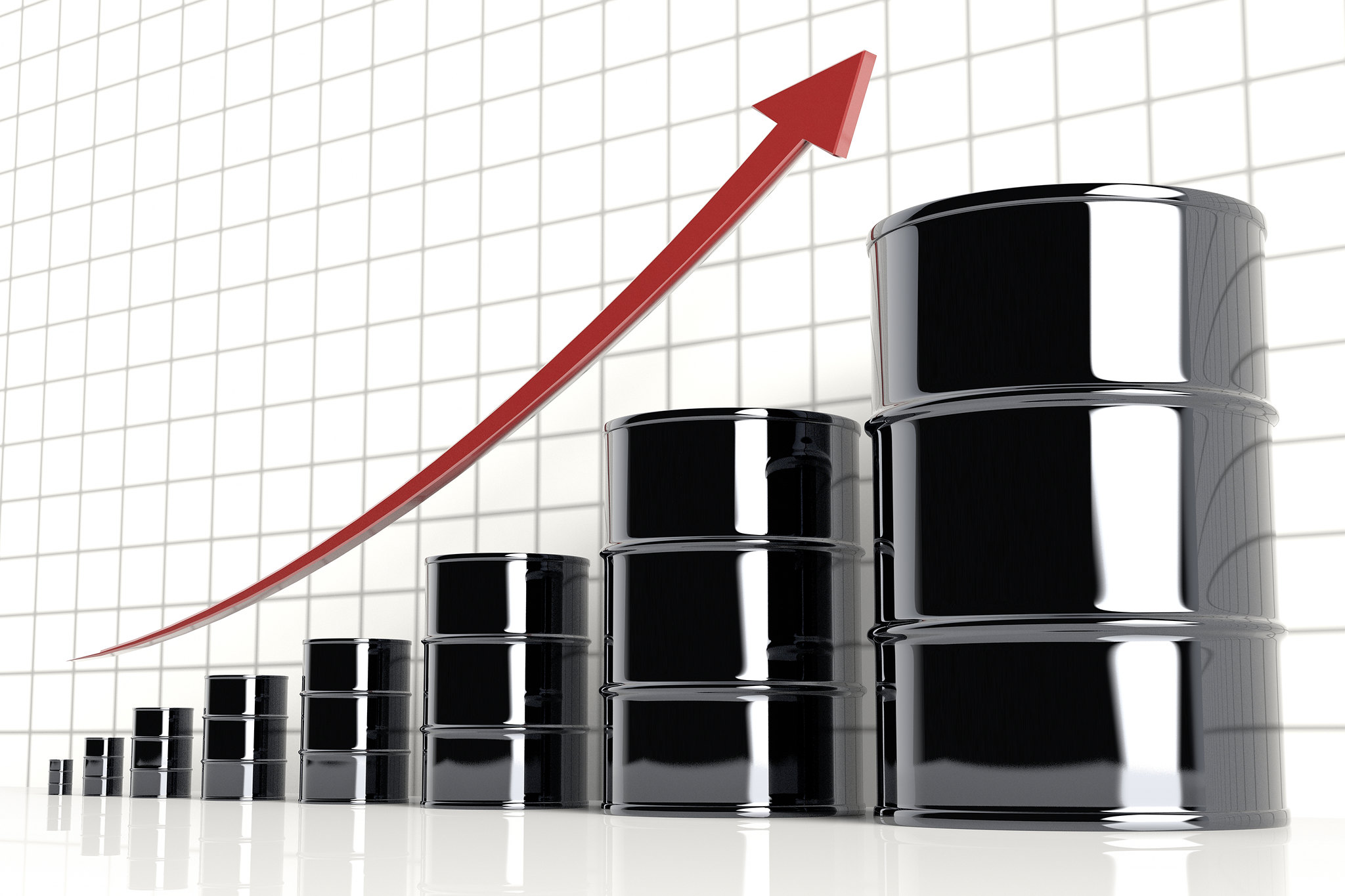
From 28 February, when the US-Israeli axis launched its barbarous attack on Iran, to 20 May, 3,486 Iranians had been bombed to death, with more than 26,500 injured. Out of this horror scene, supplies of crude and refined oil and gas were suddenly re-stricted, and oil and gas extractors leapt to take advantage of their buyers. In the first week of assaults the world’s daily oil flow was cut by 13%, and its liquefied natural gas (LNG) flow by 20%. Prices rose from $60 a barrel on 2 January to $118 at one point in April, since fluctuating around $105, filling the coffers of the oil extracting corporations with fresh blood money. As the total number of the war’s victims across the wider area rose well above those suffered by the Iranians alone, rising prices further impoverish all but a small, privileged, section of the world’s working classes.
In March BP reported $3.2bn in profits for the first quarter of 2026, more than double the year before. Europe’s biggest oil and gas company, Shell, reported profits of $6.9bn from oil trading in the first quarter of 2026, 115% up on the previous quarter, and 24% up on the same period last year.
Prices facing the British working class are rising as all producers buy costlier fuel and are defending their profit margins. Inflation has risen to 3.3% and more is expected as fuel prices stay high, removing most of the 1 April minimum wage increase. Chancellor Rachel Reeves’ panicky ‘Great British Summer Savings’ package of 1 April encourages work-ing class parents to buy their children more sugary baked beans and chocolate, while few poor families can afford to go to theme parks, zoos and cinemas with or without the temp-orary drop in VAT on entrance fees.
A temporary wind-fall tax, the Ener-gy Profits Levy (EPL), was imposed on Bri-tish oil and gas com-panies in May 2022 after profits rose with the Ukraine war. Initially 25%, in November 2024 it was increased to 38%. The rate falls if oil and gas prices fall. Added to the 30% ‘ringfence corporation tax’ (1975) and 10% supplementary charge (2002), this creates a headline rate of 78% for North Sea oil and gas profits until 31 March 2030. Sounds good? After tax ‘allowances’ this becomes 29%, similar to other industries’ corporation tax of 25%. Since British oil corporations’ activities are mostly international, only the smallest fraction of its profits is taxed in this way. Meanwhile BP continues to abandon its short lived ‘green’ agenda. It aims to cut its stakes in two carbon capture and storage projects in Teesside and Humber and dismantle its gas and low carbon division.
US aims
The war on Iran aims to maintain imp-erialism’s dominance over western Asia, with the Zionist state as its lead weapon. This is part of a wider agenda to consolidate the reach of the dollar as a key tool of US imperia-lism. This is a war by US finance capital, part of a permanent struggle between the imperialist powers to redivide the world’s resources while warding off any new challengers. It was inten-tionally coordinated with the Israeli state’s merciless assault on Lebanon, with 3,042 Lebanese people killed and 9,301 maimed by 20 May.
Even if the Strait of Hormuz reopens, higher oil and gas prices will transfer about $600bn from the global working class to the imperialist and allied oil monopolies, imposing as much as a trillion dollars in raised prices. This does not include the outcomes of inflation, particularly the consequences of higher fertiliser and food costs, reduced economic activity and rising unemployment. Global fertiliser prices surged between 44% and 80% after the attack on Iran. In Britain daily prices for readily available fertilisers have climbed to £600 a ton, up from around £350 a ton late last year.
The petro dollar
To maintain the role and value of its dollar is vital to US imperialism, and tying global oil sales to the dollar is central to it. Political control over producers is thus a vital US interest. On 1 December 2024 incoming President Trump threatened the BRICS states with 100% tariffs on their exports to the US if they used alternative means of exchange for trade, investment or currency reserves.
The US seizure of the Venezuelan oil economy (largest oil reserves globally), while asserting control over as much of the rest of world supply as possible – its ‘energy dominance strategy’ – is central to maintaining a global petro dollar system. The collapse of confidence in oil supplies from the Gulf (Iraq, UAE and Kuwait have the fifth, sixth and seventh largest global reserves respectively) and specifically from Iran (third largest) has massively increased purchases from the US (eighth largest reserves in the world), which has surplus fuel from its recent fracking drive. US companies control the new oil sources in Guyana (17th largest), and the recent US military inter-vention in Nigeria (11th largest) are evidence of this aim. Canada’s oil (fourth largest oil reserves) is already effectively managed by US interests, and Saudi Arabian reserves (second largest) were already well-integrated into the US dollar network from 1974. US goals have been furthered with UAE abandoning OPEC on 1 May.
The associated US aim is to export its new oil and gas output to reduce its 50 year-long current balance of payments deficit, so further tying customer states into commercial dependence on the dollar.
In December 2025 the IMF reported that governments globally were spending $1.9m every minute, about $1trn a year subsidising the fossil fuel system, both explicitly eg subsidies, and implicitly, tolerating massive environmental damage, so sustaining the oil monopolies. It is estimated that from the subsidies, the poorest 20% of households globally get back only 8%, while the wealthiest 50%, who use more cars, air conditioning and planes, take nearly 75% of the benefits.
The US war on Iran ultimately aims to enrich its wealthy, buy off part of its working class politically, which inevitably further impoverishes the global poor. The imperialist powers assess the political risks they take. Many African states have countered the oil price rise by cutting fuel taxes, so lowering government revenues for health, education and infrastructure – so giving a subsidy to petroleum companies. This means that many countries in Africa face collapse if this crisis continued for more than six months, as higher prices provoke protests and revolt. To prevent political fightbacks against imperia-lism emerging in Africa will thus remain a central aim of the US and European powers.
James Martin