

Since 2022 Ukraine has become a heavily indebted state, owing the IMF $14bn and the World Bank $17bn. As a condition for granting loans and payments to Ukraine, the European Union (EU) has imposed a ‘Ukrainian Plan’ on the country’s economy. On 13 July Britain joined the EU’s €90bn loan for Ukraine, designed to cover the country’s war economy for 2026 and 2027. Britain’s BAE Systems, QinetiQ, Babcock International and others, can now sell their war materials to Ukraine and will be paid out of the loan.
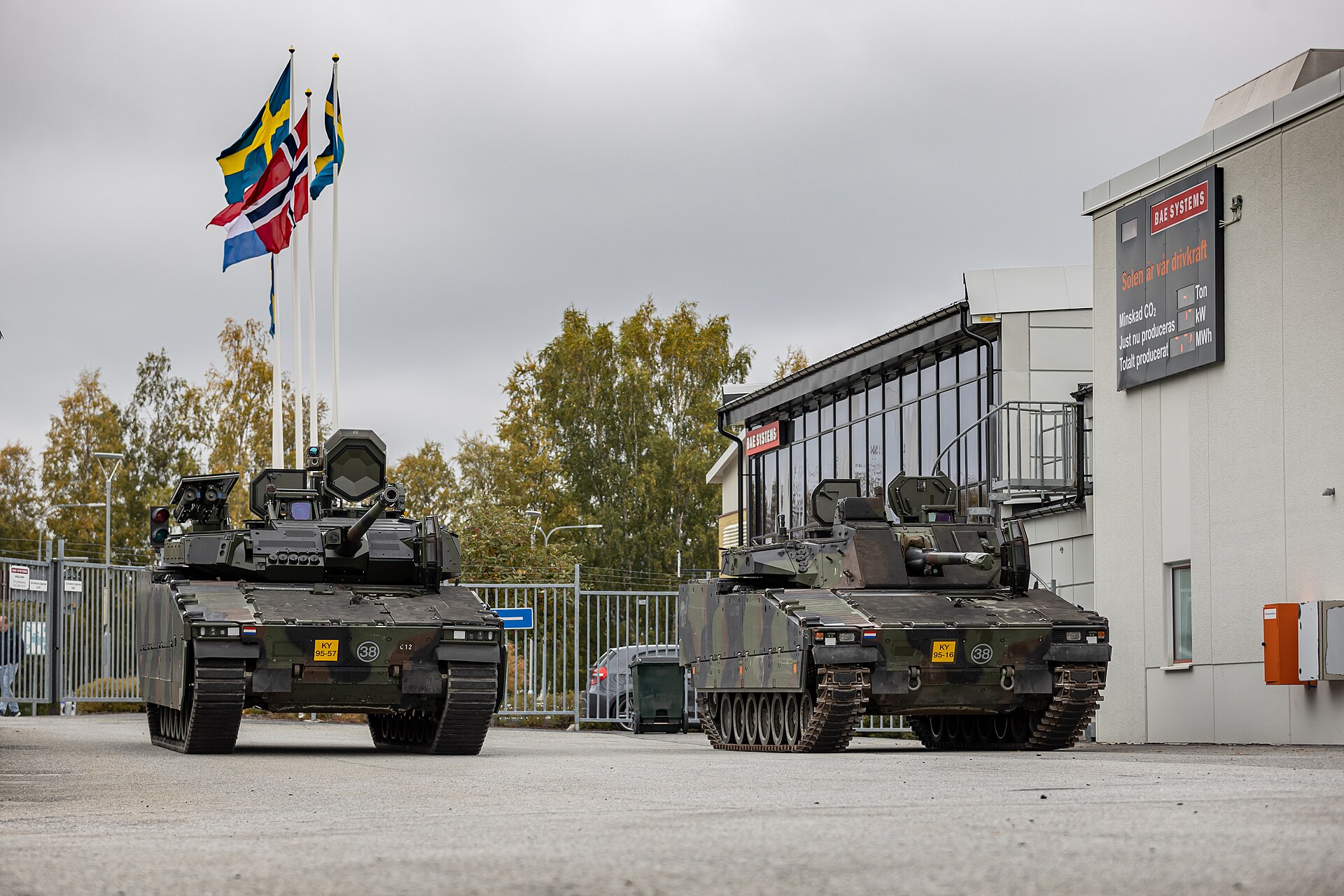
In Sweden’s Hagglunds factory, owned by BAE Systems, where the CV90 infantry fighting vehicle is made, revenue has surged from $211m in 2018 to $1.1bn in 2025, and is heading above $2bn a year.The workforce has more than tripled since 2021 to around 2,600. BAE Systems’ operating profit has increased over 60% in the last five years while its share price has more than tripled since the invasion of Ukraine. Its annual underlying operating profit for last year was £3.32bn, up 12% on 2023-24. It has a record-breaking order backlog of £83.6bn.
At the July NATO Ankara summit there were calls for an international Defence, Security and Resilience Bank (DSRB) to fund more weapons investment. Barclays, BNP Paribas, Citi, Deutsche Bank, NatWest and others quickly signed up. By July 2026, 1,210 global investment funds, managing €790bn of capital, had quickly dropped all their previous exclusion criteria for arms investments, and 700 of them managing €540bn capital have dropped exclusion criteria for military contracts.
In contempt for UN treaties, 275 funds have dropped funding exclusions for ‘controversial’ weapons – those that cause ‘severe disproportionate and indiscriminate impact on civilian populations’. The largest capital funds manager in the world, the Norges Bank, openly states that because it has retained its exclusion policy ‘it has reduced [its] returns’. The Danish Pension Fund (PFA) ended its arms investment ban after Russia attacked Ukraine and earned 371% on its defence sector investments in 34 months. The Church of England hedges its moral and financial bets by not investing in companies that generate more than 5% of their returns from defence (after all without sin the church isn’t in business).