

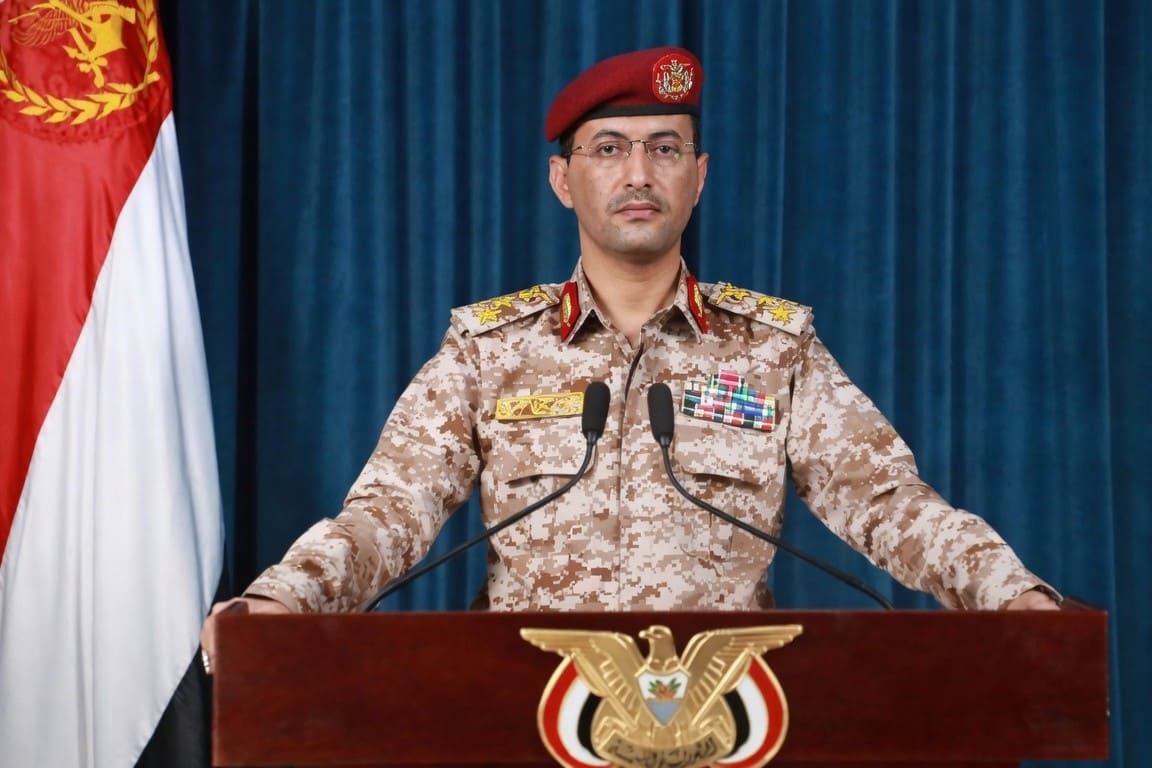
Between 10 and 11 September 2026, following weeks of fighting, the Ansarallah-led Yemeni Armed Forces (YAF) captured huge swathes of southern and western Yemen from the forces of the puppet government based in Aden, called the Presidential Leadership Council (PLC), which is backed by the US, Saudi Arabia and the United Arab Emirates. The YAF took control of Yemen’s entire Red Sea coast, including Mayyun (Perim) island in the Bab el-Mandeb Strait between Yemen and Djibouti, a critical oil chokepoint, and announced that all Saudi shipping would be blocked. On 21 September Labour Prime Minister Andy Burnham announced that Britain would provide air support to Saudi Arabia, saying he was acting on ‘cost of living pressures and acting to secure the interests of Britain’. CHARLES CHINWEIZU reports.
Origins of Yemen war
Ansarallah – dismissively referred to by imperialists as ‘Iran-backed Houthi rebels’ – leads a coalition that is the legitimate government of Yemen, based in the historic capital and largest city of Yemen, Sanaa. Approximately two-thirds of Yemen’s 43 million population lives in northern and western Yemen under Ansarallah. They are neither a tribe (Houthi), nor are they proxies of Iran; they are a popular resistance movement for national self-determination in Yemen.
Following the overthrow of Ali Abdullah Saleh’s hated government in 2011, Saleh’s Vice President Abdrabbuh Mansour Hadi assumed power and fought a civil war against Ansarallah, propped up by an imperialist-backed Saudi ‘coalition’ which in March 2015 imposed a naval blockade on Yemen. Saudi Arabia deliberately bombed schools, hospitals, markets and food warehouses. Britain provided over £9.7bn from 2015 to 2022 to the Saudi-led coalition in arms licences. A UN panel of experts established by the Human Rights Council reported in 2019 that Britain, France and the US may be complicit in war crimes by arming Saudi Arabia and providing logistic and intelligence support. In 2024 Britain joined the US in bombing Yemen directly. Despite denials, there is extensive evidence of British military involvement in the Yemen war through advisers, training, arms sales, air strikes and naval deployments. According to the United Nations Development Programme, the war caused 377,000 deaths by the end of 2021.
Following a ceasefire in April 2022, the PLC was set up by the US, Saudi Arabia and the UAE as the ‘legitimate government’ of Yemen based in the southern coastal city of Aden and led by Rashad Mohammed Al-Alimi, an advisor to Hadi and former interior minister under Saleh. Most of its eight members, ministers and senior officials live in Saudi Arabia, Egypt and the UAE.
Alongside the Lebanese resistance organisation Hezbollah, Ansarallah was the only other group in the region to take military action in solidarity with Palestine following the start of the Israeli genocide in Gaza in October 2023. In his first speech as newly elected Hamas leader on 22 July 2026, Khalil al-Hayya paid tribute to those groups who had supported Palestinian rights ‘with their blood and weapons’, specifically Yemen, Lebanon, Iraq and Iran. The Popular Front for the Liberation of Palestine praised ‘the role of the Yemeni Armed Forces, which have imposed exceptional equations and have become a “safety valve” that cuts off supply arteries to the Zionist entity and the colonial West.’ During the bloodiest days of genocide on Gaza, the rockets of Ansarallah totally paralysed Israeli Eilat port at occupied Umm al-Rashrash. Millions of Yemenis regularly fill the streets of the capital Sanaa in solidarity with Gaza.
‘Blockade for blockade’
The puppet PLC government claimed a 3 July 2026 civilian flight carrying an Ansarallah delegation to Iran for the funeral of Supreme Leader Ali Khamenei was a ‘violation of sovereignty and of UN resolutions’. They proposed the delegation return on a non-Iranian aircraft under
PLC supervision, which Ansarallah rejected. On the delegation’s return on 13 July, Saudi Arabia bombed Sanaa airport runway to prevent its landing. The plane landed at Hodeidah airport instead. YAF then launched retaliatory missiles and drones at Abha Airport in Saudi Arabia, formally ending the de facto four-year ceasefire.
The closure of the strait of Hormuz has forced Saudi Arabia to ship its oil via the East-West Pipeline to Yanbu ports on the western Red Sea coast. On 20 July YAF declared ‘blockade for blockade’ against Saudi Arabia, warning that shipping companies docking at Saudi ports could face military strikes. Ansarallah leader Hezam al-Asad promised, ‘Port for port, airport for airport, and every escalation will be met with a greater escalation.’ YAF then launched almost daily attacks on Saudi oil facilities, refineries, vessels, oil tankers, ports, as well as on puppet military forces within Yemen using drones, ballistic and cruise missiles. Saudi has hit back launching over 70 airstrikes across several Yemeni provinces. Saudi Crown Prince Mohammed bin Salman reportedly called US President Donald Trump twice on 10 September urging US strikes against Ansarallah, which Trump refused. Following defeats to Ansarallah in 2025 and Iran, the US wishes to avoid another direct military confrontation.
Having faced Saudi, Israeli, US and British airstrikes, during and prior to October 2023, Ansarallah took a strategically low-key position during the first months of the 2026 war on its ally, Iran. Via control of shipping through the Bab el-Mandeb strait, the Ansarallah-led Yemeni resistance can tighten the noose of imperialist crisis. We stand in solidarity with Ansarallah and oppose Britain’s involvement in the war.
Britain out of West Asia!
Hands off Yemen!