

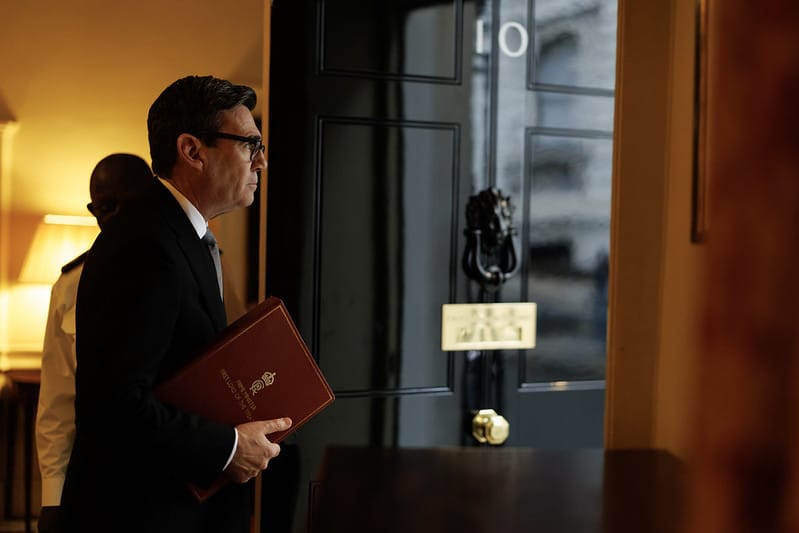
In August 2026, the then recently crowned Labour prime minister Andy Burnham and freshly reinstalled Housing Minister Angela Rayner announced the release of the first £10bn tranch of funding from the £39bn Social and Affordable Homes programme. This money would be entirely dedicated to building homes for social rent across the country with the help of 33 ‘strategic partners’, including three councils. No longer, they vowed, would families be trapped in temporary accommodation or stuck on waiting lists; rather they would be helped into the more than 70,000 new homes the funding would deliver. Burnham pledged ‘the biggest housebuilding programme in the postwar period’.
Which sounds fantastic, and yet… where have we heard that before? Oh, yes, scroll back two years to July 2024, when the recently elected Labour prime minister Keir Starmer had this to say: ‘We have committed £39bn – the biggest cash injection in affordable housing in 50 years – over the next ten years. That will deliver the largest wave of social and affordable housing in a generation’. How did that pan out?
Last year, just 12,198 new social rented homes were built across the whole of England, whether by councils, housing associations or private developers. In the last two years, 20% of council areas have built no social homes at all, and another 30% of areas fewer than 10 each. Meanwhile, in 2024/2025 21,436 social homes were ‘lost’ through Right to Buy and demolitions. In June this year, housing charity Shelter said that at the current rate of building homes for social rent, it would take more than 100 years to clear the social housing waiting list of more than 1.34 million households.
The dearth of affordable social rented homes gives the working class no option but to rent privately, where the freeze on housing benefits and soaring rents sees them driven into poverty and debt. A report in June by homelessness charity Crisis found that just 2% of rented properties across the UK are affordable for those on housing benefits: the figure for London is 1.2% and for Wales 0.7%. The average gap between housing benefit and the cheapest third of rents for a two-bedroom house was £403 a month. Nearly half (48%) of all private renters in receipt of Universal Credit say they have had to cut back on essential food, energy and transport costs in the last sixth months. The unaffordability of rent in turn generates increasing homelessness, with more than 134,000 households in England now living in temporary accommodation – including 177,530 children, a record figure, up 5% on the previous year.
The housing crisis is very real and the need for social homes chronic – housing charities estimate that it would take a minimum of 90,000 built a year to even begin to provide the homes the working class needs. 70,000 homes over ten years does not even begin to cut it, even in the unlikely event of the target being met. Within two weeks of his headline-grabbing announcement, Burnham had already diverted 40% of the promised money to programmes for Shared Ownership Homes – a route to home ownership largely reserved for those earning over £80,000 a year – and sheltered accommodation schemes run by housing associations and charities.
Like fool’s gold, Labour’s housing soundbites may glitter long enough to dupe the gullible, but are ultimately worth nothing. Affordable, safe and decent housing for all is a basic human right. But if we want it then we are going to have to organise and fight for it.